Leave Your Message

What Are the Top 10 Casual Dress Styles?

Casual dressing should feel easy, but the right dress still depends on fit, fabric, and setting. A soft cotton shirt dress can work for errands, while a wrap dress may feel more polished at lunch. The best choice lets you move comfortably without looking unfinished. Small details matter.

Designer Coco Chanel is often credited with the idea, “Fashion fades, only style remains the same.” That principle suits Casual Dress well: trends can inspire, but personal comfort and proportion make an outfit wearable. Still, style advice is not universal. A relaxed fit that feels comfortable to one person may feel shapeless to another.

This guide explores ten popular casual dress styles, from T-shirt and denim dresses to smock, sundress, and sweater designs. It considers how silhouettes, necklines, sleeves, and fabrics affect everyday wear. You’ll also find practical cues for choosing a dress for warm afternoons, cooler days, and informal plans. Comfort counts. So does context.

No single dress works for every body, climate, or occasion. Fabric labels can help, but they do not tell the whole story; texture and drape matter too. Try sitting, walking, and reaching before deciding a dress fits well. That small test is easy to overlook. Use these style notes as a starting point, then trust what feels right in real life.
What Are the Top 10 Casual Dress Styles?

Defining Casual Dresses and Their Role in Everyday Clothing

A casual dress is an everyday garment designed for ease rather than formal occasions. It may have a relaxed shape, simple details, and fabric that feels comfortable through hours of wear. Cotton, linen, jersey, and soft blends are common choices, though the best fabric depends on weather and activity. The category has no strict boundary. A neat shirt dress may suit a casual office, while a bright sundress may feel right for a park or weekend market.

In everyday clothing, casual dresses offer a quick way to get dressed without matching separate pieces. A knee-length style with pockets can work for errands; a loose midi dress may feel better on a warm afternoon. Small details matter: seams that do not rub, fabric that breathes, and a hem that stays comfortable when walking.

Comfort first.

Still, “casual” is a little fuzzy. A dress that feels relaxed at home may look too informal at work, depending on the setting. Fit, fabric, and the day’s plans all shape how useful a dress becomes, and personal comfort does not always match fashion advice.
Features That Distinguish the Main Casual Dress Styles

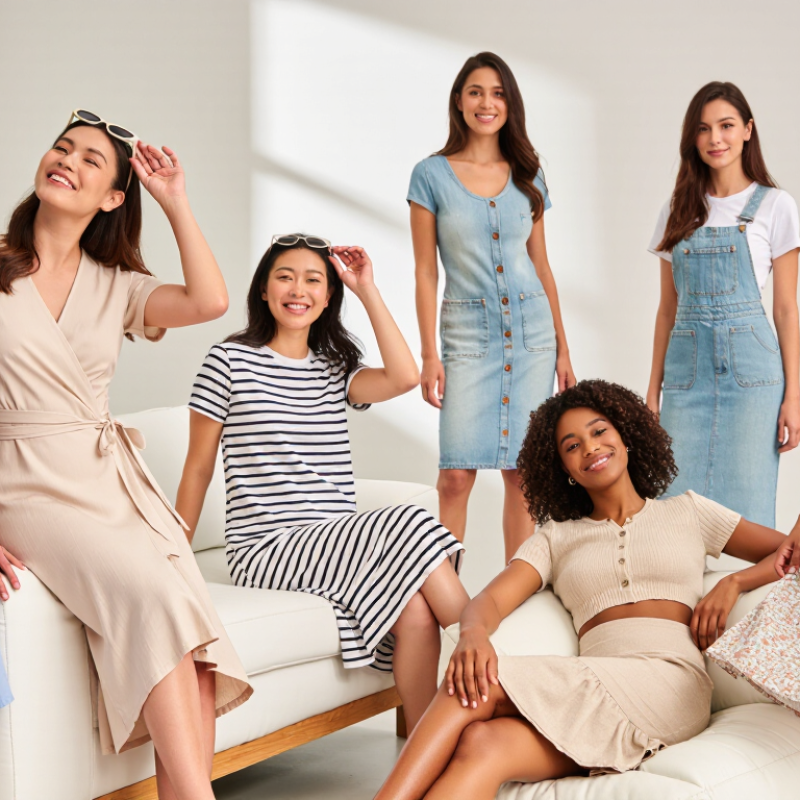
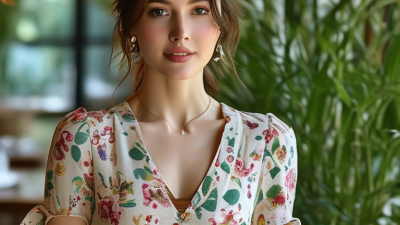
Casual dresses are easiest to distinguish by their shape, fabric, and small construction details. A shirt dress has a button front, collar, and often a waist tie; it borrows cues from a classic shirt. A T-shirt dress is softer and simpler, usually with a crew neck and straight cut. A wrap dress crosses at the front and adjusts at the waist. An A-line dress widens gradually from the shoulders or waist, while a shift dress hangs more directly from the shoulders. The difference can be subtle on a hanger.

Fabric changes the feel, too. A sweater dress uses knit fabric and may have ribbed cuffs or a soft, heavier drape. A denim dress feels sturdier, with visible seams, pockets, or metal buttons. A smock dress gathers loosely around the bodice, creating extra room through the body. A polo dress stands out through its collar and short button placket. A sundress is often sleeveless, light, and cut for warm weather, sometimes with thin straps or a gathered skirt.

These labels overlap. A denim dress can also be shirt-shaped, and a sundress may have an A-line skirt. I would check the shoulder fit and fabric weight before relying on the style name; those details affect comfort more than a label suggests. Small details matter. A tie can shift during wear, and a loose cut may feel less airy in thick fabric.

The Top 10 Casual Dress Styles and Their Key Characteristics

Casual dresses work best when their shape suits the day, not just the hanger. A T-shirt dress has a straight, relaxed cut and feels easy with sneakers. A shirt dress borrows a collar and buttons, giving soft cotton a tidier look. Wrap dresses adjust at the waist and create a clear V-neckline, though the tie may loosen during a busy afternoon. A denim dress feels sturdy, with seams and pockets that add structure. A sweater dress brings warmth and a close or gently loose fit; check that its knit does not cling where you would rather have ease.

A sundress often has light fabric, straps, and room for warm-weather movement. A fit-and-flare dress shapes the waist before opening into a fuller skirt. A slip dress keeps details minimal, usually with narrow straps and a fluid drape. A tiered dress uses gathered panels for extra volume, which can feel breezy but may overwhelm a petite frame. A polo dress pairs a collar with a simple, sporty silhouette. Small details matter: pocket depth, lining, and fabric weight affect everyday comfort. Not every cut suits every body or routine. Trying a few lengths in natural light can reveal what a fitting-room mirror misses.

Choosing a Casual Dress by Occasion, Fit, and Season

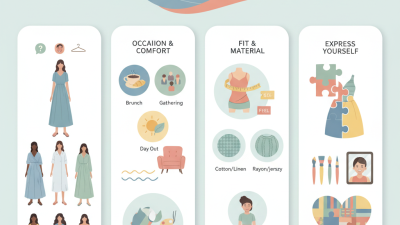
Choosing a casual dress starts with the occasion, not the trend list. For errands, a cotton T-shirt dress with pockets feels easy to move in. A shirt dress works for a casual office or lunch; add a light layer when indoor air-conditioning runs cold. For a relaxed evening, a soft knit dress gives more shape without feeling stiff. Small details matter. Check whether the neckline stays comfortable when you bend, and whether the hem feels right when you sit.

Fit should support real movement. Look for shoulder seams that sit naturally, a waist that does not pull, and enough room to walk comfortably. The National Retail Federation’s 2023 Retail Returns report estimated that 14.5% of annual retail sales would be returned, with online returns reaching 17.6%. Those figures cover retail overall, not dresses alone, but they underline why checking size charts and return terms can save hassle. A dress that looks perfect on a hanger may still feel restrictive.

Season changes the useful fabric and silhouette. Choose breathable cotton or linen blends for warm days; try jersey, long sleeves, or tights when temperatures drop. A midi length can work across seasons, but it may feel cumbersome on a windy commute. It is easy to overvalue versatility. Pick the dress you will actually wear, then consider whether a cardigan or simple shoes can adapt it to another setting.

What Are the Top 10 Casual Dress Styles? — Choosing a Casual Dress by Occasion, Fit, and Season
Casual Dress Style Typical Fit Suitable Occasions Best Seasons Common Fabrics Practical Styling Tip
T-shirt dress Relaxed, straight or slightly shaped Errands, travel, casual meetups Spring, summer Cotton jersey, cotton blends Add a light jacket or belt if you want more shape.
Shirt dress Button-front; straight, belted, or gently tailored Work-casual settings, lunches, sightseeing Spring, summer, autumn Cotton poplin, linen, chambray Wear it open over a simple top and trousers as a light layer.
Wrap dress Adjustable waist with a gently defined shape Brunch, dinners, casual celebrations Spring, summer, autumn Viscose, jersey, cotton blends Check that the wrap stays secure when you move or sit.
A-line dress Fitted or shaped at the upper body, gradually flared skirt Everyday outings, family gatherings, casual dates Year-round, depending on fabric Cotton, denim, ponte knit Choose a length that feels comfortable for walking and sitting.
Sundress Usually sleeveless, with a relaxed or lightly fitted bodice Picnics, holidays, outdoor lunches Late spring, summer Cotton voile, linen, lightweight viscose Bring a cardigan or overshirt for cool evenings and sun protection.
Denim dress Structured; available in shirt, pinafore, and fitted cuts Weekend activities, casual shopping, day trips Spring, autumn; lighter versions for summer Denim, lightweight cotton twill Look for enough room through the shoulders and hips for easy movement.
Knit sweater dress Soft, close-fitting or relaxed, often with a straight silhouette Casual office days, coffee outings, weekend wear Autumn, winter Wool blends, cotton knit, acrylic blends Layer with tights and a coat in colder weather; check the knit's warmth.
Smock dress Loose through the body, sometimes gathered at the yoke or waist Relaxed weekends, travel, informal gatherings Spring, summer, early autumn Cotton, linen blends, lightweight viscose Balance the volume with simple shoes and minimal layering.
Polo dress Sporty, usually straight or lightly fitted with a collared neckline Casual lunches, outdoor activities, relaxed daytime events Spring, summer Cotton piqué, cotton jersey, performance blends Choose breathable fabric for warm days and active plans.
Midi dress A mid-calf length; cut may be fitted, straight, or flowing Everyday wear, informal dinners, casual events Year-round, with seasonal layering Cotton, jersey, viscose, lightweight knits Pair with footwear suited to the hem length and the day's activities.

Styling and Caring for Casual Dresses

Casual dresses are easiest to style when one detail leads. A shirt dress, for example, looks balanced with rolled sleeves and simple flat shoes. Add a narrow belt only if the fabric holds its shape; soft cotton can bunch awkwardly. For a wrap dress, check the tie after sitting and walking, not just in front of a mirror. A denim or T-shirt dress can take a light jacket, while a printed sundress often looks calmer with plain accessories. Keep it simple. On cooler days, layer a fitted top underneath rather than forcing a bulky sweater over a loose silhouette. Comfort matters more than a perfect outfit, and some combinations will look better in motion than in a photograph.

Care depends on the fabric and construction, so read the garment label before washing. Turn printed dresses inside out, use a gentle cycle, and choose cool water when the care instructions allow it. Separate deep colors from pale ones, especially during the first wash, since some dyes may bleed. Air-dry when possible. Hang structured dresses on a shaped hanger, but dry knit styles flat to help prevent stretching. If a dress wrinkles, use low heat only when the label permits; test a hidden seam first. I sometimes expect a quick wash to fix everything, but heat and rough spinning can leave fabric tired or misshapen. Small habits help. Store dresses clean and fully dry, with enough space that sleeves and hems do not stay crushed.

Casual Dress Care: Gentle Wash Temperatures by Fabric

These are gentle starting temperatures for washing common dress fabrics, not universal care rules. Always follow the garment’s care label; fabric blends, dyes, and finishes can require different care.