China Top Casual Trousers Manufacturer for Global Buyers?
For global buyers, finding China’s top Casual Trousers manufacturer requires more than comparing catalog prices. It demands evidence, communication, and repeated quality checks. A reliable supplier should understand fabric weight, shrinkage, colorfastness, stitching strength, and fit consistency. These details become visible during sampling. They also determine whether a shipment performs well after washing.
Tim Gunn’s practical advice, “Make it work,” offers a useful standard for product development. Manufacturers must adapt designs without weakening comfort, durability, or production stability. Experienced Chinese factories often support private labeling, custom measurements, fabric sourcing, and flexible order planning. However, capability should never be accepted only through attractive photographs. Buyers should request recent samples, factory information, inspection records, and clear production timelines. Small details matter. Waistband recovery, pocket depth, zipper movement, and seam finishing can expose weaknesses quickly.
The strongest manufacturer is not always the cheapest. It is the partner that explains limitations honestly and corrects problems before shipment. Buyers should assess how the factory handles imperfect samples, late fabric arrivals, and changing specifications. Some suppliers promise too much. That remains a real sourcing risk. A careful audit, written approval process, and pre-shipment inspection can reduce avoidable mistakes. China offers extensive Casual Trousers manufacturing experience, but success still depends on disciplined buyer decisions. This guide examines the qualities, verification steps, and practical questions global buyers should consider before choosing a long-term manufacturing partner.
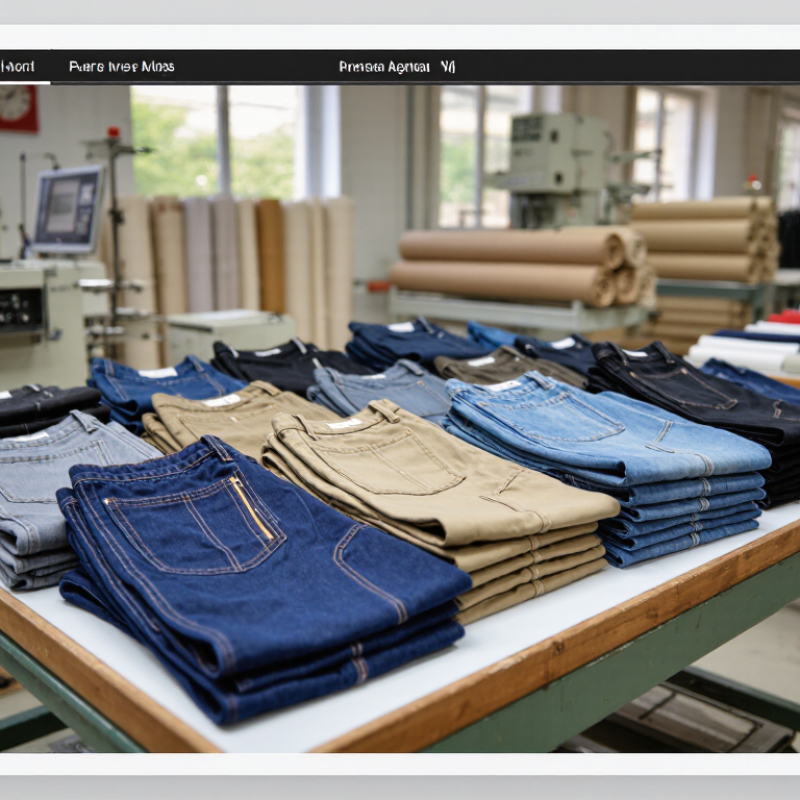
China’s Role in the Global Casual Trousers Manufacturing Industry
China Top Casual Trousers Manufacturer for Global Buyers?
China remains central to the global casual trousers manufacturing industry.
The WTO reported that China held about 14% of world merchandise exports in 2023. This scale supports broad fabric access, skilled sewing teams, and established export logistics. Textile Exchange’s Materials Market Report 2024 recorded global fiber production at 124 million tonnes in 2023. Polyester represented roughly 57%. These figures explain why Chinese factories can develop cotton, recycled polyester, twill, and stretch blends at commercial volume.
Casual trousers production is not only about low pricing. Reliable suppliers manage
shrinkage, colorfastness, waistband recovery, and seam strength.
In practical inspections, pocket alignment and zipper smoothness often reveal production discipline. Digital pattern making can reduce sampling time, but technology does not remove human mistakes. Small factories may offer flexibility, while larger facilities usually provide stronger testing systems. The picture is not flawless. Delays, inconsistent sizing, and fabric shade variation still require active control from overseas buyers.
Tips:
Request a fabric test report, size chart, and pre-production sample. Check wash results on dark trousers. Ask how rejected pieces are recorded. Compare production capacity with your order volume, not with impressive sales claims. WTO trade data supports China’s manufacturing scale, but each factory must still prove quality, traceability, and delivery performance.
Sources: WTO World Trade Statistical Review 2024; Textile Exchange Materials Market Report 2024.
Key Product Categories and Fabric Options for International Buyers
International buyers usually need more than one trouser shape.
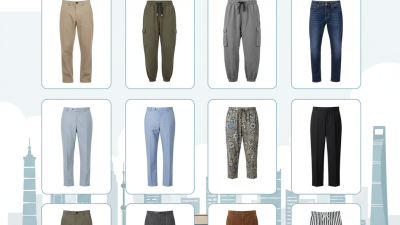
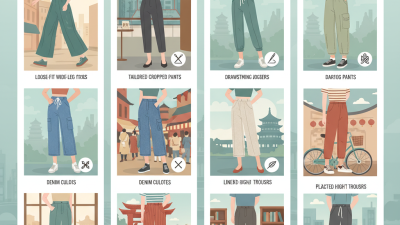
A reliable casual trousers manufacturer should offer chinos, five-pocket trousers, cargo trousers, joggers, and relaxed everyday styles. Each category serves a different customer and retail channel.
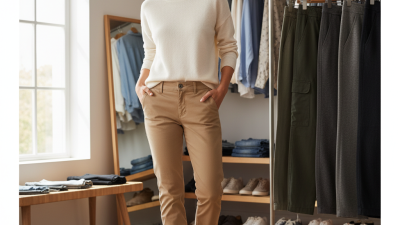
Chinos often use 7–10 ounce cotton twill for a clean appearance. Five-pocket trousers may use denim-weight cotton with a softer finish. Cargo trousers need stronger pocket construction and firm fabric recovery.
Fabric selection changes comfort, appearance, and production risk.
Cotton twill remains practical for daily wear, while cotton-spandex blends improve movement around the waist and knees. Linen-cotton blends feel cooler in warm climates, but they can crease more easily. Recycled polyester blends offer durability and faster drying. They may not suit every market’s preferred hand feel.
We check fabric weight, shrinkage, colorfastness, seam strength, and pilling before bulk production. Small details matter.
Fit approval needs real testing.
We measure rise, thigh width, inseam, and leg opening on physical samples. A difference of one centimeter can change the whole silhouette.
One past fitting exposed uneven twisting after washing. The pattern looked correct. The fabric did not behave as expected.
We adjusted the grain direction and washing process. It was a useful reminder. Technical sheets should record fiber content, fabric weight, shade standards, trims, and packing requirements. Clear records help international buyers compare samples and reduce avoidable production changes.
How Chinese Casual Trousers Manufacturers Manage Quality and Production
China’s casual trousers manufacturers manage quality through controls built into each production stage. Experienced teams check fabric weight, color consistency, stretch recovery, and shrinkage before cutting. They also compare production fabric with approved samples under standard lighting. Small differences can become obvious after washing.
During cutting, workers use graded patterns and inspect fabric faults before spreading. Sewing lines then follow measurement charts, seam-strength requirements, and operation checklists. Inspectors examine pockets, belt loops, zippers, and waistband alignment during production, not only at the end. Final inspections often include measurements, appearance checks, loose-thread removal, and carton verification. Clear records make defective units easier to trace.
Production management depends on realistic planning. Factories coordinate fabric arrival, cutting capacity, sewing lines, washing schedules, and packing dates. A capable production manager updates buyers when materials or approvals change. That sounds basic, but delays still happen. A late trim shipment can interrupt an entire line. Rework also reveals weak process control.
Reliable manufacturers usually keep sample rooms, trained quality staff, and documented inspection results. Buyers should still request pre-production samples, measurement reports, and random final inspections. No factory is perfect. The useful question is how quickly it detects mistakes and corrects them. On-site experience suggests that steady communication prevents more problems than last-minute pressure.
What Global Buyers Should Evaluate When Choosing a Supplier
Choosing a casual trousers manufacturer requires more than comparing unit prices. Global buyers should inspect fabric consistency, stitching, fit control, and delivery discipline. Textile Exchange’s Materials Market Report 2024 estimates global fiber production reached 124 million tonnes in 2023. It may reach 160 million tonnes by 2030. This growth increases pressure on traceability and material planning.
Request fabric test reports for shrinkage, colorfastness, abrasion, and composition. Ask how production teams control measurements after washing. A practical supplier should provide size charts, approved samples, inspection records, and corrective-action evidence. The World Bank’s 2023 Logistics Performance Index assesses customs, infrastructure, shipment tracking, and delivery timeliness. These areas matter when trousers must arrive before a seasonal launch.
Factory visits still reveal details that spreadsheets hide. Check cutting-room cleanliness, fabric storage, needle control, and carton labeling. Review capacity during peak months, not only during quiet periods. A low quote can conceal overtime pressure or unstable subcontracting. That risk deserves attention. A supplier may pass an audit yet miss a fit deadline. I have seen paperwork appear stronger than production reality. Buyers should test a small order, measure actual lead time, and compare final garments against the sealed sample. Clear communication helps, but it cannot replace inspection.
Ordering, Customization, Compliance, and Export Considerations
China remains a major sourcing base for casual trousers. The WTO World Trade Statistical Review 2023 reported that China supplied about 31.7% of global clothing exports in 2022. Global buyers should still compare factories carefully. Request a detailed tech pack, fabric swatches, graded measurements, and a pre-production sample. Confirm minimum order quantities, sampling fees, lead times, and payment milestones in writing. Small omissions become expensive later.
Customization needs measurable controls. Specify fabric weight, fiber percentages, color fastness, shrinkage limits, pocket strength, waistband recovery, and stitching density. The Textile Exchange Materials Market Report 2023 stated that polyester represented about 54% of global fiber production in 2022. Buyers using recycled content should request transaction records and composition testing. Claims need evidence. A factory may understand the design but miss the intended fit; one fitting round is rarely enough.
Compliance must match the destination market. Test reports should cover restricted substances, flammability where applicable, fiber labeling, and packaging requirements. For European sales, review REACH obligations and keep supplier declarations with laboratory results. For the United States, check applicable textile labeling and consumer-product rules before shipment. Export orders also require a correct HS classification, commercial invoice, packing list, origin details, and agreed Incoterms. Pre-shipment inspection can verify measurements and carton counts, but it cannot repair poor fabric selection. That lesson is easy to overlook.