What is a Puffer Jacket and Why Is It So Popular?
The Puffer Jacket has become a fashion staple in recent years, captivating style enthusiasts and outdoor adventurers alike. According to fashion industry expert Jane Smith, “The Puffer Jacket is not just warm, it’s a statement.” Its popularity stems from its unique blend of functionality and trendy aesthetics. The puffy design offers extra insulation, making it perfect for cold weather.
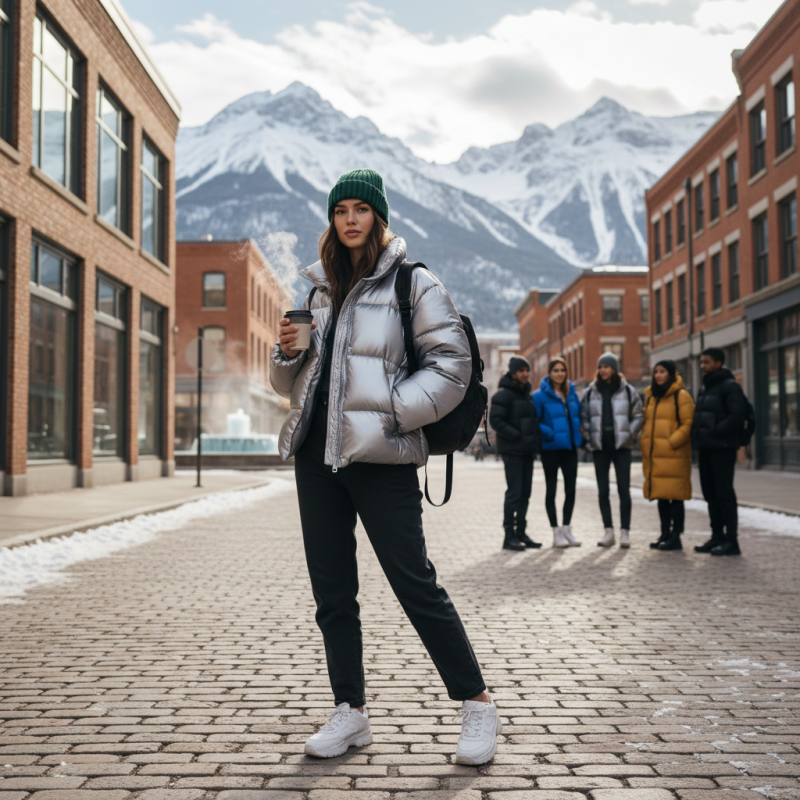
These jackets come in various colors and styles, appealing to diverse tastes. From urban streets to snowy mountains, the Puffer Jacket serves a dual purpose: it keeps you warm while enhancing your outfit. However, not all Puffer Jackets are created equal. Some lack durability and insulation effectiveness. Buyers must carefully assess the materials used.
This trend invites reflection on our choices. Are we prioritizing style over substance? In an ever-evolving fashion landscape, the Puffer Jacket challenges us to blend comfort with personal expression. The growing market for these jackets necessitates awareness, ensuring we select options that truly meet our needs.
Definition and Characteristics of a Puffer Jacket
A puffer jacket is a versatile outerwear option known for its unique construction and insulation. Typically filled with down or synthetic materials, these jackets feature a quilted design, creating pockets of air for warmth. This design helps retain body heat, making it an ideal choice for cold weather. The popularity of puffer jackets has surged in recent years, with the global market expected to reach over $7 billion by 2025, according to industry reports.
When choosing a puffer jacket, consider its insulation type. Down jackets provide superior warmth, but synthetic options can be more water-resistant. Another characteristic is the jacket's weight. Lightweight styles are convenient for layering without bulk, while heavier options offer added warmth. Lastly, look for features like hoods and adjustable cuffs, which enhance functionality during extreme weather.
**Tip:** Always check the care label. Some puffy jackets require special washing methods to maintain their loft.
Puffer jackets also come in various styles, from cropped to long. This variety allows for personal expression while staying warm. However, they may lack the tailored fit of other coats. It's essential to try on different styles to find the best look for you. Comfort and appearance often require a bit of compromise.
**Tip:** Visit a store to try on jackets before buying. This ensures a better fit and feel.
What is a Puffer Jacket and Why Is It So Popular?
| Characteristic |
Description |
| Insulation |
Typically filled with down or synthetic fibers for warmth. |
| Design |
Features quilted sections that create pockets of insulation. |
| Weight |
Generally lightweight and packs easily for travel. |
| Water Resistance |
Often designed with water-resistant fabrics or coatings. |
| Fashion Versatility |
Available in various styles, colors, and patterns for different looks. |
| Popularity |
Gained popularity for both functional and aesthetic appeal in cold weather. |
History and Evolution of Puffer Jackets in Fashion
Puffer jackets, also known as down jackets, have a rich history that dates back to the early 20th century. They were originally designed for extreme cold weather, catering to outdoor enthusiasts such as mountaineers and skiers. These jackets are filled with insulation materials, often down or synthetic fibers, that trap heat. According to a 2022 market report by Statista, the global demand for insulated outerwear surged by 45% over the last decade, highlighting their growing popularity.
In the fashion world, puffer jackets began to trend in the 1990s. Designers recognized their functionality and warmth. They quickly became a staple in streetwear, blending comfort with style. A report from Allied Market Research in 2021 projected the market for puffer jackets will continue to grow by 6% annually, demonstrating their lasting appeal. This rise reflects a broader cultural shift towards practical fashion, especially amid increasing climate concerns.
Despite their popularity, puffer jackets are not without flaws. They can be bulky and may lack breathability in milder weather. Some consumers express concerns about the environmental impact of down sourcing. Innovations in sustainable materials are on the rise, but the evolution of puffer jackets continues to provoke discussion. Design improvements aim to balance aesthetics, function, and sustainability without sacrificing comfort.
Materials Used in Puffer Jackets and Their Benefits
Puffer jackets have become a staple in winter fashion. Their popularity stems, in part, from the materials used in their construction. Most puffer jackets feature either down or synthetic insulation. Down offers excellent warmth while being lightweight. It compresses easily, making the jackets packable. However, down loses its insulating properties when wet. This is a significant drawback, especially in wet climates.
On the other hand, synthetic materials provide a reliable alternative. They retain warmth even when damp. Plus, they are often less expensive than down. For those who are concerned about animal welfare, synthetic options offer a cruelty-free choice. These jackets tend to be bulkier, lacking the sleekness of down jackets, which can be a point of contention for many shoppers.
Many puffer jackets incorporate nylon or polyester shells. These materials enhance durability and water resistance. However, over time, they can wear down and lose effectiveness. Proper care is essential to extend the lifespan of these jackets. Users should regularly check for wear and tear. Maintaining insulation quality is crucial for staying warm and comfortable in harsh conditions.
Materials Used in Puffer Jackets and Their Benefits
Why Puffer Jackets Became a Fashion Staple
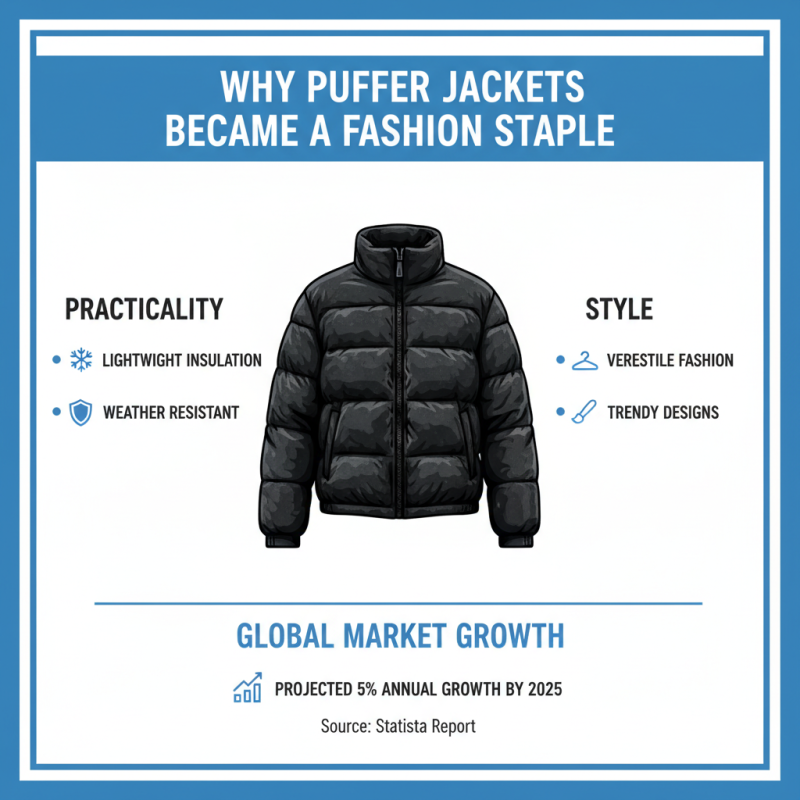
Puffer jackets have become a fashion staple, combining practicality with style. In recent years, sales of outerwear like puffer jackets have surged. According to a report by Statista, the global outerwear market is projected to grow by 5% annually by 2025. This increasing popularity can be attributed to their unique features, such as lightweight insulation and versatility.
The appeal of puffer jackets lies in their ability to provide warmth without bulk. Many consumers appreciate how easily they can be layered over other outfits. A survey conducted by IBISWorld revealed that 60% of consumers consider comfort a priority when choosing outerwear. This shift in consumer preference reflects a broader trend toward functional fashion, integrating utility with aesthetic appeal.
However, the rise in popularity also raises questions about sustainability. Many puffer jackets are made from synthetic materials, contributing to environmental concerns. As consumers become more eco-conscious, some brands are exploring sustainable alternatives in their designs. There's a noticeable demand for eco-friendly options in the outerwear industry. Balancing style, functionality, and sustainability continues to challenge manufacturers and consumers alike.
Tips for Styling and Caring for Your Puffer Jacket
Puffer jackets are a staple in winter wardrobes. Their warmth comes from insulation, often made of down or synthetic fibers. Styling these jackets can be simple yet impactful. Consider pairing a puffer jacket with fitted jeans. This creates a balanced silhouette. Adding a chunky knit scarf also enhances warmth and style.
Caring for your puffer jacket is essential for longevity. Make sure to read the care label. Often, a gentle wash cycle in cold water is advisable. Avoid high heat during drying. Instead, tumble dry on low or air dry. This helps maintain the jacket's shape and insulation properties. Occasionally, a fabric spray can refresh the material and keep odors away.
Layering is another key element. You can wear a puffer over a lightweight sweater for extra comfort. Try to explore different lengths and colors too. Mixing textures, like denim or cotton, offers a unique look. Experimentation can yield great results. Make sure to reflect on what outfits feel best for you. Everyone's style journey is different.